

A shipping container can provide useful storage for tools, equipment and stock, but the steel shell is only one part of a secure setup. The door condition, locking hardware, position of the unit and everyday access arrangements all matter. Before choosing a container, think about what you will store, who needs access and how the site is managed outside working hours.
Start with the doors and locking gear
Inspect the doors, hinges, locking bars and handles before putting a container into regular use. Doors should close properly without excessive force, and the locking components should line up as intended. A damaged door or worn fitting needs attention before you rely on a new padlock. If a door becomes difficult to operate after delivery, ask the supplier to check whether the container is supported level before attempting adjustments.
When comparing storage containers for sale, ask which security features are included with the exact unit. A photograph of one model should not be treated as confirmation that every container has the same lock box or door arrangement.
Match the lock to the container
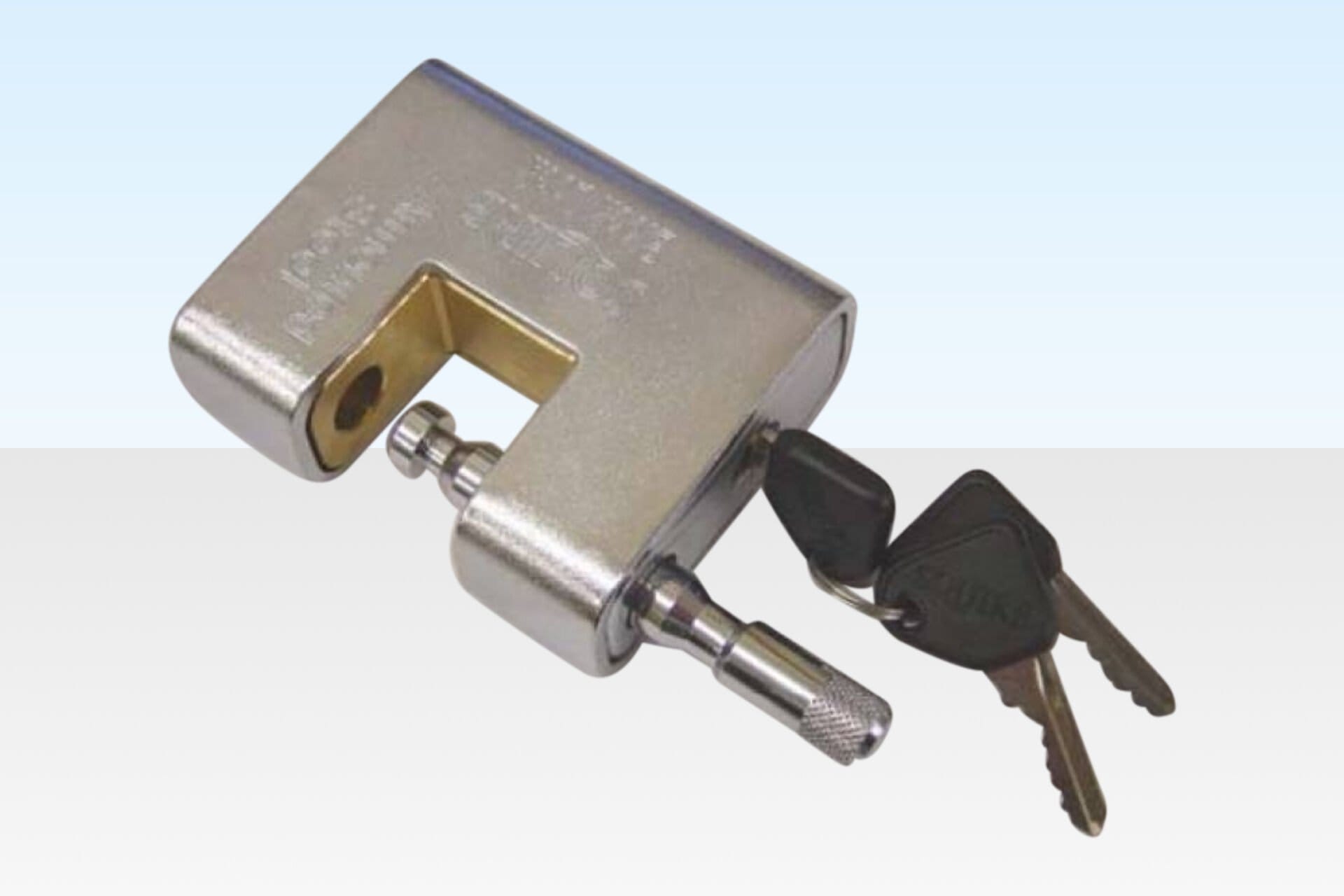
A lock box is a steel enclosure designed to restrict access to the padlock. Where one is fitted, check the available space and the lock dimensions before buying. A padlock that is awkward to fit or cannot be operated comfortably is a poor match, even if it looks substantial. Ask the lock supplier about weather resistance, intended use and compatibility with your container’s hardware.
A lock box is not a guarantee against theft. Treat it as one layer of protection alongside sensible positioning and site controls. Confirm any requirements for locks, unattended storage and declared contents directly with your insurer rather than assuming a particular product will satisfy your policy.
Plan the container’s position
Choose a position where authorised users can reach the doors safely and where unusual activity is likely to be noticed. Consider existing fencing, gates, lighting and visibility from occupied buildings. Leave enough space for the doors to open fully and for people to move items without blocking the entrance. Avoid positioning the unit where access for later inspection or maintenance becomes impossible.
If you use lighting, alarms or cameras, plan their coverage and power supply around the final position. These measures support a wider security plan; they do not replace sound doors and locks. Arrange suitable professional advice for electrical work or structural alterations.
Control keys and everyday access
Keep a clear record of who holds keys or access codes. Nominate someone to check that the container is locked at the end of each working day, particularly where several teams share the space. Store spare keys securely away from the container. Review access whenever contractors finish work or staff responsibilities change.
- Check the lock, handles and doors before leaving the site.
- Keep the entrance clear so damage or interference is easy to spot.
- Maintain an inventory of valuable equipment, including serial numbers and photographs.
- Report damaged locks, missing keys or unexpected door movement promptly.
Check every opening on modified containers
Containers with roller shutters, side doors, windows or personnel doors need a check of each opening. Ask how the relevant model locks and whether any additional access points need separate protection. A standard double-door container and a workshop conversion can have very different security arrangements. Avoid making holes or welding on extra fittings without checking the effect on the structure, coating and weather protection.
Choose security around your actual use
The right setup depends on your contents, site and access routine. Browse the Wallis Containers range to compare available units, then contact Wallis Containers with your postcode, intended use and security questions. Ask for confirmation of the features supplied with your chosen container before ordering.
Related buying guides
Read Shipping Container Door Options: End Doors, Side Access or Roller Shutters? and Shipping Container Maintenance: A Seasonal Checklist for Storage Owners for more practical advice, or browse all Wallis buying guides.