

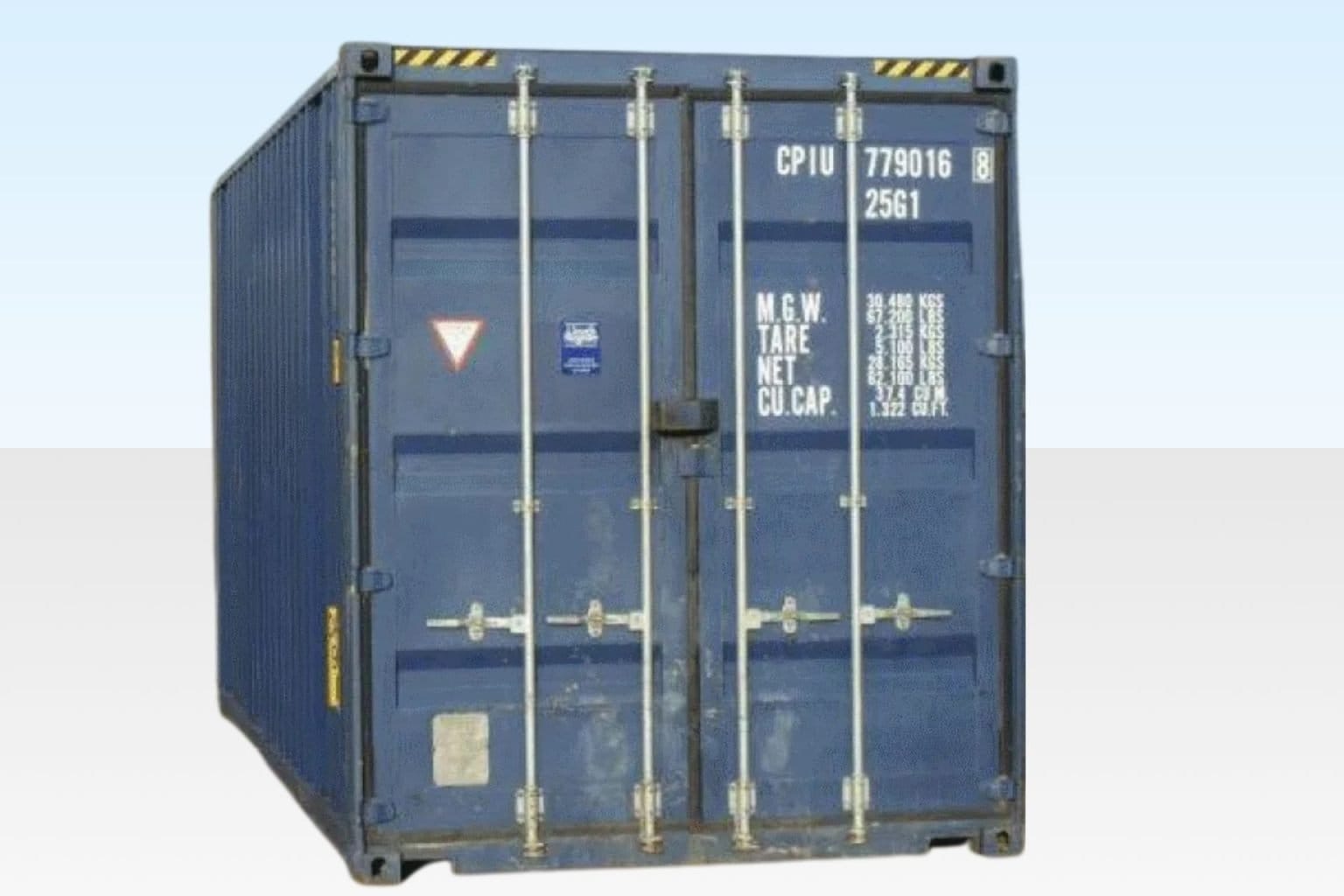
Regular checks help you spot small problems with a storage container before they affect the items inside. You do not need to turn every inspection into a refurbishment project. A simple routine focused on the doors, seals, visible steelwork, floor and surrounding ground can make maintenance easier to plan.
This checklist is for containers used for ordinary static storage. Refrigeration equipment, electrical installations, modified structures and containers used for transport require their own checks and specialist advice. Always follow the guidance supplied with your particular unit.
Record the condition when the container arrives
Take dated photographs of the exterior, doors, floor and visible internal surfaces before loading the container. Note existing dents, coating wear and any repairs discussed with the supplier. This gives you a useful reference when checking whether something has changed later. Confirm that the doors operate properly once the container is in its agreed position.
If you are still choosing a unit, compare the condition and features of the storage containers available from Wallis. Maintenance needs depend on the individual container, its previous use and the environment where it will stand.
Check doors, hinges and rubber seals
Look for loose components, damaged seals, trapped debris and changes in how the doors close. Brush dirt away from the threshold and check the seal contact areas without pulling or stretching the rubber. Use only cleaning or lubrication products suitable for the relevant materials and recommended by the supplier.
Do not force a door that has suddenly become stiff. A change in the supporting ground can affect alignment, and the cause should be checked before you adjust hinges or locking bars. Keep hands clear of pinch points and secure open doors appropriately so they cannot swing unexpectedly.
Inspect the coating and visible steelwork
Check accessible wall panels, door edges and corners for scratches, flaking paint or developing corrosion. Photograph anything new so you can monitor it. Surface preparation and a compatible coating may be appropriate for small areas, but significant corrosion, holes, distorted steel or damaged structural components need assessment by a competent repairer.
Look for debris collecting around the container and arrange safe inspection of roof drainage where needed. Do not climb onto a container roof to carry out a casual check. Working at height, roof damage and access equipment should be handled with suitable professional advice.
Look inside for moisture and storage damage
Check the floor, lower wall edges and stored packaging for dampness, staining or mould. Moisture may come from wet items, humid air or a defect, so identifying the source matters more than simply drying the visible patch. Keep ventilation openings clear and avoid packing goods tightly against every wall. Where suitable for the contents, shelving or pallets can make inspections and airflow easier.
A wind and watertight container is not automatically a temperature-controlled or condensation-free space. Paperwork, textiles, electronics and other sensitive goods may need additional environmental controls. Ask for advice suited to the contents rather than assuming the same arrangement works for every load.
Review the ground and surrounding area
After heavy rain or a noticeable change in door operation, look for standing water, washed-out material or signs that supports have moved. Keep vegetation and loose materials from building up against the walls. Do not crawl under a container or try to reposition a loaded unit yourself. Ask the supplier or a suitable contractor to assess changes in support or stability.
Use a simple seasonal inspection record
- Before wetter or colder weather, check door seals, drainage around the unit and stored items for existing dampness.
- After severe weather, inspect accessible surfaces and note any new damage or water entry.
- During warmer periods, review ventilation, coating condition and the suitability of the storage environment.
- At each inspection, record the date, photographs, observations and any action needed.
Set the inspection frequency around how often the container is used, its condition and the exposure of the site. A coastal location or busy commercial yard may need a different routine from a sheltered private storage area.
Get advice before a small issue becomes a repair project
Describe the problem clearly and share photographs when requesting advice. For help choosing a storage unit or discussing its intended use, contact Wallis Containers. You can also browse the container range to compare available sizes, conditions and access arrangements.
Related buying guides
Read How to Reduce Condensation in a Shipping Container and Shipping Container Security: A Practical Checklist for UK Storage for more practical advice, or browse all Wallis buying guides.