

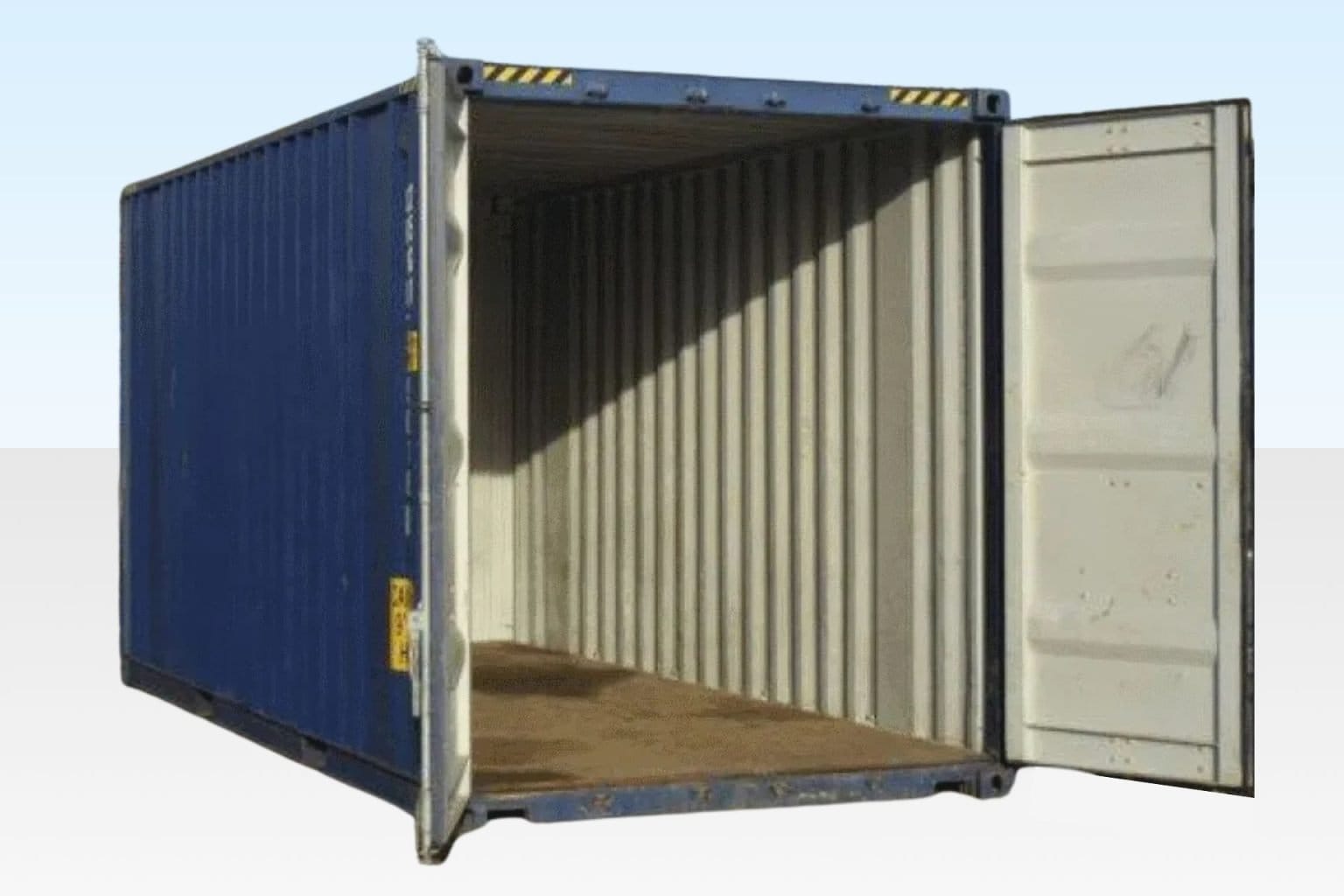
A house move or renovation becomes easier when storage is planned around the belongings you actually need to keep. A shipping container can provide space close to your property, but a good result depends on access, packing and the condition of the items going inside. This guide explains how to plan household container storage before ordering.
Start with an inventory, not just a container size
Walk through each room and list furniture, appliances, boxes and awkward items separately. Measure the largest pieces, including their height and the space they need to pass through a doorway. Decide which furniture can be dismantled safely and keep its fittings in labelled bags. A photograph of each item and a numbered box list will make collection much easier later.
Think about how often you will need access. A container packed tightly for a short move has different requirements from storage you will visit every week. Allow for a walkway and working space rather than treating every part of the floor as usable storage. Browse our storage containers for sale and compare the exact internal dimensions and door opening of the model you are considering.
Check the container and its position
Before loading, inspect the floor, door seals, locking bars and interior for damage, moisture or strong odours. Confirm the condition of the particular unit being supplied rather than assuming every used or one-trip container has identical features. Ask about ventilation, security options and any previous use that could affect the items you plan to store.
The location matters too. Confirm that delivery vehicles can reach the placement area and that the ground and supports are suitable for the unit. Leave room to open the doors fully and move furniture in and out. Share photographs, access measurements and your delivery postcode with the supplier before committing to a position.
Pack only clean, dry belongings
Let furniture, fabrics and appliances dry thoroughly before packing them. A damp garden tool, wet cardboard box or recently cleaned sofa can introduce moisture into the storage space. Follow appliance manufacturers’ instructions for draining, drying and preparing equipment. Use protective covers suited to the material and avoid sealing damp items inside plastic wrapping.
Choose strong boxes, label more than one side and avoid making any box too heavy to handle comfortably. Protect corners and fragile surfaces. Put essential documents, valuables and items you may need urgently somewhere more accessible. A standard storage container does not provide a controlled indoor climate, so check whether delicate furniture, artwork, electronics or other sensitive goods need a different storage arrangement.
Load for access and stability
Keep heavier items low and make sure stacks are stable. Avoid concentrating loads in one small area, and check the unit’s floor and loading limits before storing unusually heavy belongings. Use suitable shelving where helpful and confirm how it can be secured without damaging the container. Keep ventilation openings clear and leave space around belongings so you can inspect them.
Store frequently needed items near the entrance. Put a simple location plan beside your inventory, for example boxes A1–A8 on the left and garden equipment at the rear. Leave the door area clear so nothing can fall towards you when it opens. Recheck stacks after removing a large item rather than leaving neighbouring boxes unsupported.
Plan checks throughout the storage period
Visit periodically to look for moisture, damaged packaging or signs of pests. Check seals and locks, and address problems early. Ventilation and moisture management should suit the contents and conditions; do not assume a watertight container eliminates condensation. Ask your insurer what cover applies to goods stored outside the home and what security conditions must be met.
Get a storage option that fits your move
Send Wallis Containers your inventory, largest item measurements, expected storage period and site photographs. We can help you compare the available units and clarify specifications before you order. Contact Wallis Containers about household storage or browse the current container range.
Related buying guides
Read How to Reduce Condensation in a Shipping Container and How to Prepare Your Site for Shipping Container Delivery for more practical advice, or browse all Wallis buying guides.
Compare a compact option: 10ft x 8ft one-trip shipping container in blue. Confirm dimensions and suitability for your belongings before ordering.