

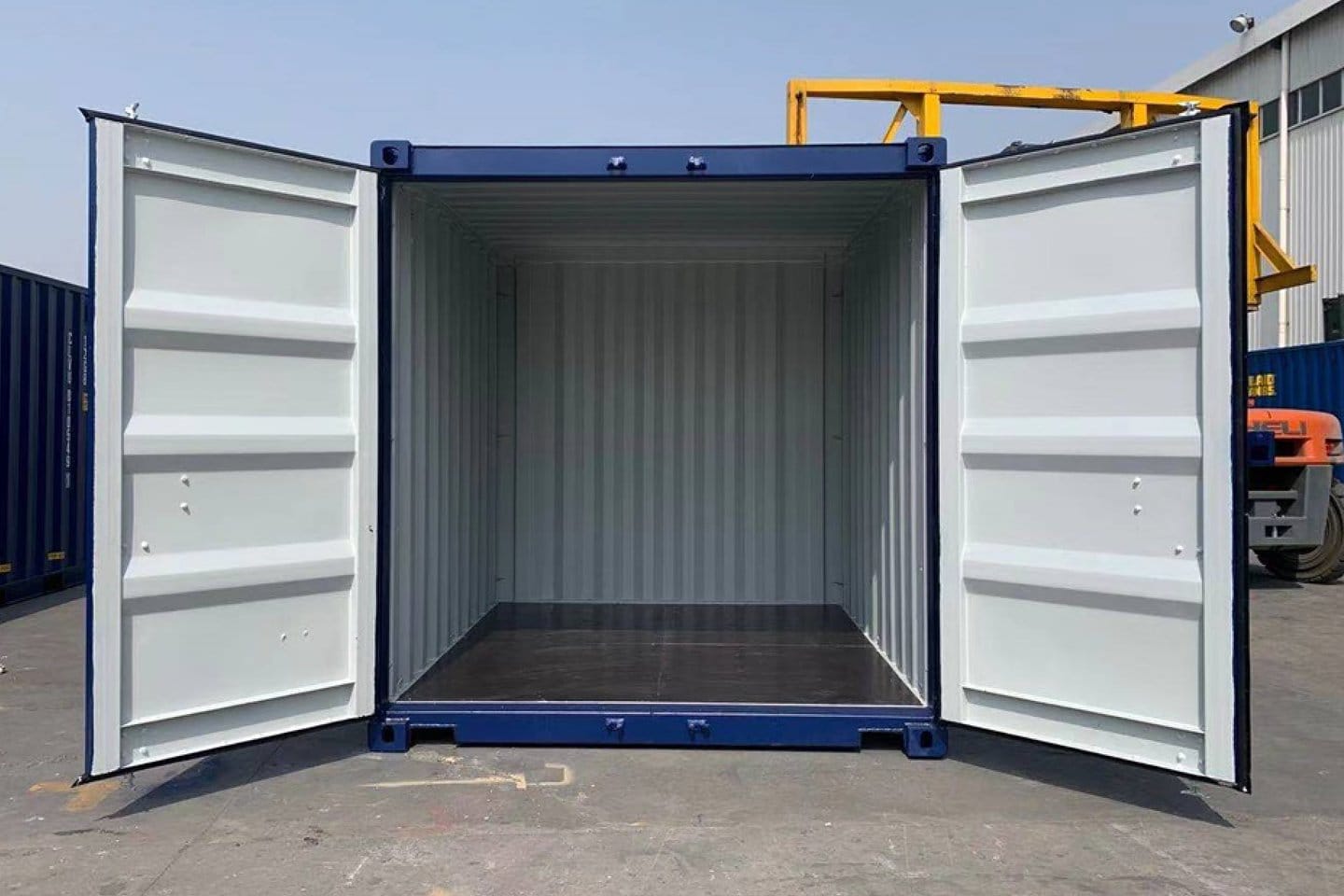
Choosing a shipping container is about more than finding enough floor space. You also need room to reach your belongings, open the doors and get the delivery vehicle onto your site. A container that looks economical on paper can become awkward if every visit means unloading half its contents.
This guide explains how to compare 10ft, 20ft and 40ft containers for household, business and site storage.
Start with what you will store
Write an inventory before comparing sizes. Measure bulky items, including their height, and decide whether they can be stacked safely. Shelving, protective packaging and an access aisle all use space. For tools or stock you need regularly, leave a route to the back rather than planning to fill every available corner.
Think about future use too. Seasonal stock, additional machinery or a growing collection of equipment can change your requirements. On the other hand, paying for extra space makes little sense if your site cannot accommodate it.
When a 10ft container makes sense
A 10ft unit is worth considering for a compact storage area, tools, garden equipment or a smaller inventory. Its shorter footprint can help where space is restricted, but it still requires suitable vehicle access and a prepared position.
Browse our 10ft containers to compare available layouts. Check the individual listing for external dimensions, usable internal measurements and the clear door opening. The nominal size is not a guarantee of the space inside.
Why choose a 20ft container?
A 20ft container can suit customers who need more room for furniture, equipment or business stock without the length of a 40ft unit. It is a useful size to compare when a compact container would require frequent rearranging.
Map your proposed layout on the ground. Mark an aisle, shelving depth and the position of the largest items. This simple exercise often reveals whether the additional length will actually make storage easier.
When a 40ft container is the better option
A 40ft container offers a longer storage layout, which may suit larger inventories or bulky goods. However, the site and delivery route need careful assessment. More storage space is only useful if the unit can be delivered and positioned safely.
If you expect frequent access to items along its length, ask about door arrangements rather than assuming standard end doors will suit your workflow. Modified containers can have different dimensions and operating requirements.
Standard height or high cube?
High cube containers offer additional height compared with standard-height equivalents, but exact measurements vary by product. Check both the internal height and the door opening: an item may fit inside but be too tall to pass through the doors. Allow for the base and any overhead restrictions at the intended location.
Before you order
- Confirm the dimensions and condition of the exact unit.
- Measure your storage layout and door-opening space.
- Provide your delivery postcode and clear access photographs.
- Ask for assessment of the delivery route and placement area.
Explore the Wallis container range, or contact Wallis Containers with your inventory, measurements and postcode for help narrowing down the options.
Related buying guides
Read New One-Trip vs Used Shipping Containers: A UK Buyer’s Guide and How to Prepare Your Site for Shipping Container Delivery for more practical advice, or browse all Wallis buying guides.
Considering the smallest of these sizes? View the 10ft x 8ft blue one-trip container for its internal and door-opening measurements.